
The Blue Jays have cashed in on a seller’s market
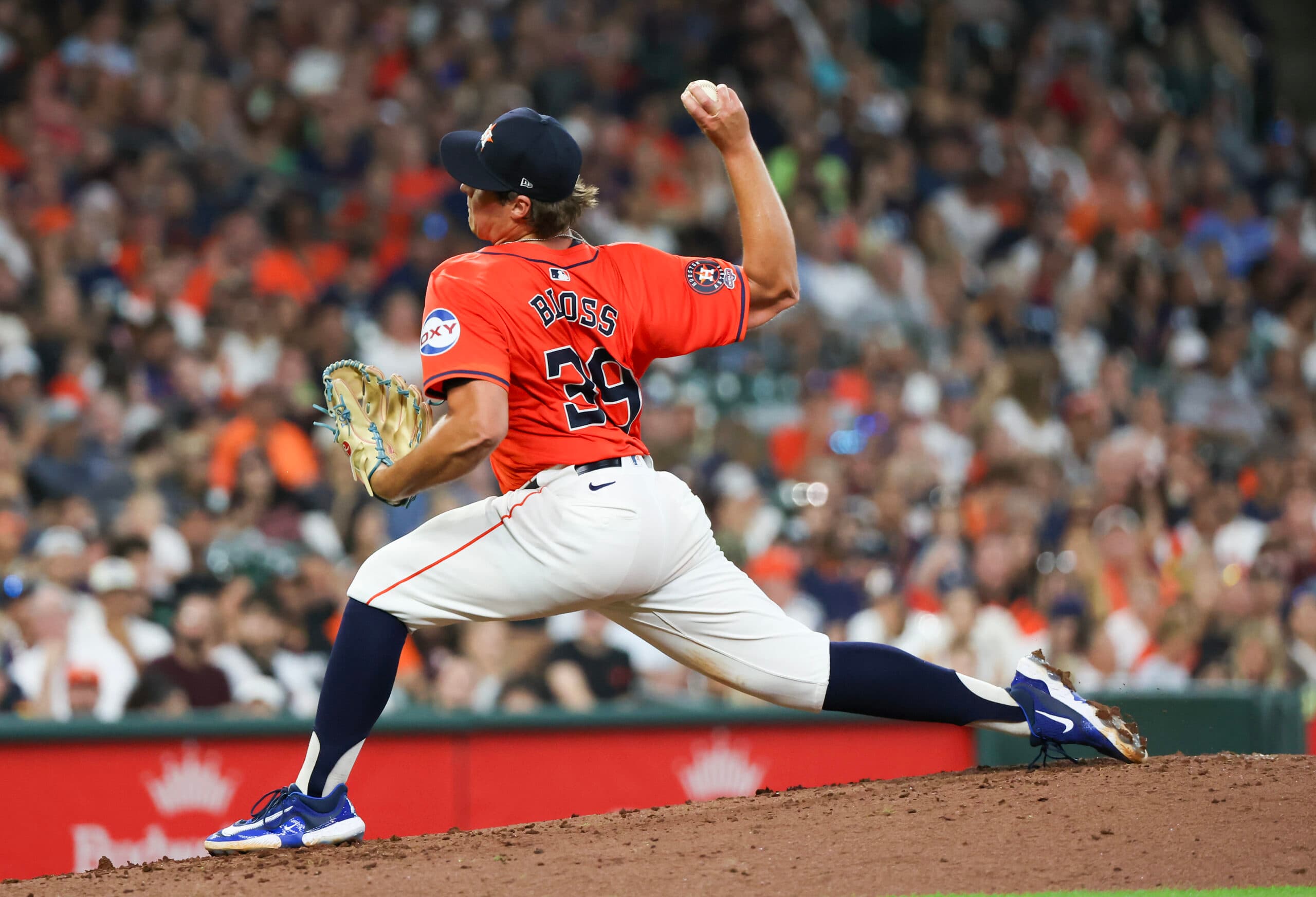
Photo credit: © Thomas Shea - USA Today

Jul 30, 2024, 08:00 EDTUpdated: Jul 30, 2024, 07:32 EDT
Without a shadow of a doubt, the Toronto Blue Jays were destined to become a seller at this season’s trade deadline. It wasn’t something they intended on but as mishaps and injuries piled up, the Blue Jays had no choice but to find a pivot. The question wasn’t much about whether they would sell but more about how deep the team was willing to sell.
As trade rumours emerged one by one, the consensus was that the Blue Jays front office would remain mostly conservative at the deadline to keep their core together for the 2025 season. Overall, Toronto showed reluctance in trading their players with control and displayed more willingness to part with their talents on expiring contacts. Just as they indicated, the Blue Jays pulled strings starting last Friday.
Below are the trades Toronto has executed up until the end of the day on Monday, July 29:
- Traded relief pitcher Yimi García (RHP) to the Seattle Mariners in exchange for outfield prospect Jonathan Clase and catching prospect Jacob Sharp (Friday, July 26)
- Traded relief pitcher Nate Pearson (RHP) to the Chicago Cubs in exchange for minor leaguers Josh Rivera (SS) and Yohendrick Pinango (LF) (Saturday, July 27)
- Traded catcher Danny Jansen to the Boston Red Sox in exchange for infielders Cutter Coffey and Eddinson Paulino and pitcher Gilberto Batista (RHP) (Saturday, July 27)
- Traded designated hitter Justin Turner to the Seattle Mariners in exchange for outfielder RJ Schreck (Monday, July 29)
- Traded starting pitcher Yusei Kikuchi (LHP) to the Houston Astros in exchange for pitcher Jake Bloss (RHP), first baseman/outfielder Joey Loperfido and infielder Will Wagner (Monday, July 29)
In total, the Blue Jays have amassed 11 players in return for their trades in the hopes of boosting the farm system and prospects for 2025. Before Toronto’s front office executed bigger trades on Monday, the sentiment around Toronto’s trade was mixed at best given the returns. The talents the Blue Jays acquired from Boston, Chicago and Seattle helped refresh the much-depleted minor leagues, but they were gambling on many of these talents since they all possessed some volatility.
Turns out, Toronto had a couple of cards up their sleeves. As Monday rolled around, the Blue Jays got to work and traded Justin Turner and Yusei Kikuchi to the American League West contenders as rental players. These trades, especially the Kikuchi trade, perfectly set the tone of the trade market: this was a seller’s world.
For the past couple of seasons, there were more opportunities for sellers to take advantage of desperate contenders at the trade deadline and to a certain extent, even during the offseason. This trade deadline wasn’t any different either. With an expanded playoff format, more teams bet on their playoff contention rather than giving up on all hopes early on.
The Blue Jays conceded to the fact that they needed to re-evaluate their major-league roster and system this summer, but that doesn’t necessarily equate to waving white flags. From a short-term perspective, the Blue Jays did surrender and admitted their defeat. However, a decision to sell itself isn’t a complete defeat.
Buying alone doesn’t turn a team into a white-hot contender right away. Toronto traded for relief pitcher Jordan Hicks from the St. Louis Cardinals last year to make a successful playoff run, yet they ultimately fell short in Minnesota against their will. Being a buyer doesn’t guarantee anything these days. In fact, buying at the deadline means taking an incalculable risk in uncharted territory most of the time.
In a way, the Blue Jays found the perfect time to rejig their system and strategy to build a more sustainable team down the road. Letting the 2024 season slip wasn’t in the playbook, but the Blue Jays’ front office knew that taking a few steps back via selling was necessary to stage a more durable comeback in the future. Bidding farewells to the existing talents was an inevitable part of the Blue Jays’ pivot no matter how cold it seemed.
Parting with names who have made a difference in the major league isn’t the easiest process for any team. The Blue Jays were no exception when they sent a fan-favourite Danny Jansen to a division rival on Saturday. Yusei Kikuchi’s departure on Monday also stirred up much emotion in the fanbase. Nonetheless, Toronto can’t afford to put new wine into old wineskins any longer. They needed new wine for new wineskins to start anew.
Keep in mind, Toronto is nowhere near Tampa Bay’s level of intensity when it comes to trades and transactions. The Tampa Bay Rays have executed more than six deals and received more than fourteen prospects with their savvy trades as of Monday. The Blue Jays haven’t matched this level quite yet, but they still have the potential to come out on the right side of the trade deadline if they continue to demonstrate their willingness to trade.
The Blue Jays cashed in big so far this trade deadline by forcing one of the most exorbitant overpays. As emotionally and strategically difficult trades can be, Toronto can’t simply stop where they are when the trade market is heating up. This transition is the golden opportunity for the team to cash in on a better future and the only way forward is to keep going.
There will be pain along the way during and after the trade deadline, but all sufferings come with an end date. This is the cup of suffering the Blue Jays have to take to come out on the other side. Change can be mighty scary but it can do a load of good when it’s done right. Time to cash in even more.
Breaking News
- George Springer’s Game 7 ALCS home run one year later
- Trade Tree Tuesday: Trading Orlando Hudson landed the Blue Jays a Hall of Famer, a franchise icon, and is going strong today
- Blue Jays: Looking at how Vladimir Guerrero Jr. can rebound in 2027
- Blue Jays’ ace Dylan Cease was terrific in the first season of his seven-year deal
- Blue Jays free agent target: Ian Happ