Entering the offseason, standing pat wasn’t an option for the Blue Jays, who excelled in almost every facet this October. Investing in pitching at the start of the offseason showed Toronto’s commitment to improving its existing weaknesses and the holes left by players who departed in free agency. Inevitably, the Blue Jays will also have to address the offensive hole Bo Bichette has left on the roster before pitchers and catchers report in February.
In a formidable division like the AL East, complacency is a luxury because all five teams have historically been competitive aside from occasional oddities. This is why the Blue Jays have recently
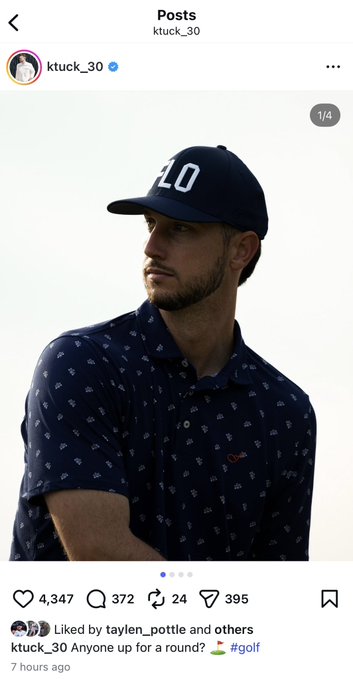
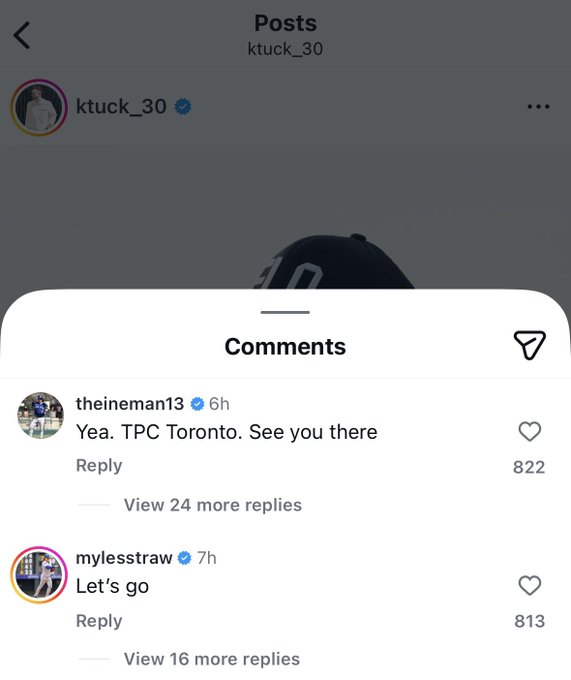
connected with Alex Bregman’s agent, Scott Boras, in case they aren’t able to sign either Kyle Tucker or Bo Bichette.
Toronto has to sign an impact bat this winter to edge out their competitors, but signing Bregman as the big free-agent hitter is a move that could cost the Jays down the line.
Defensive puzzle
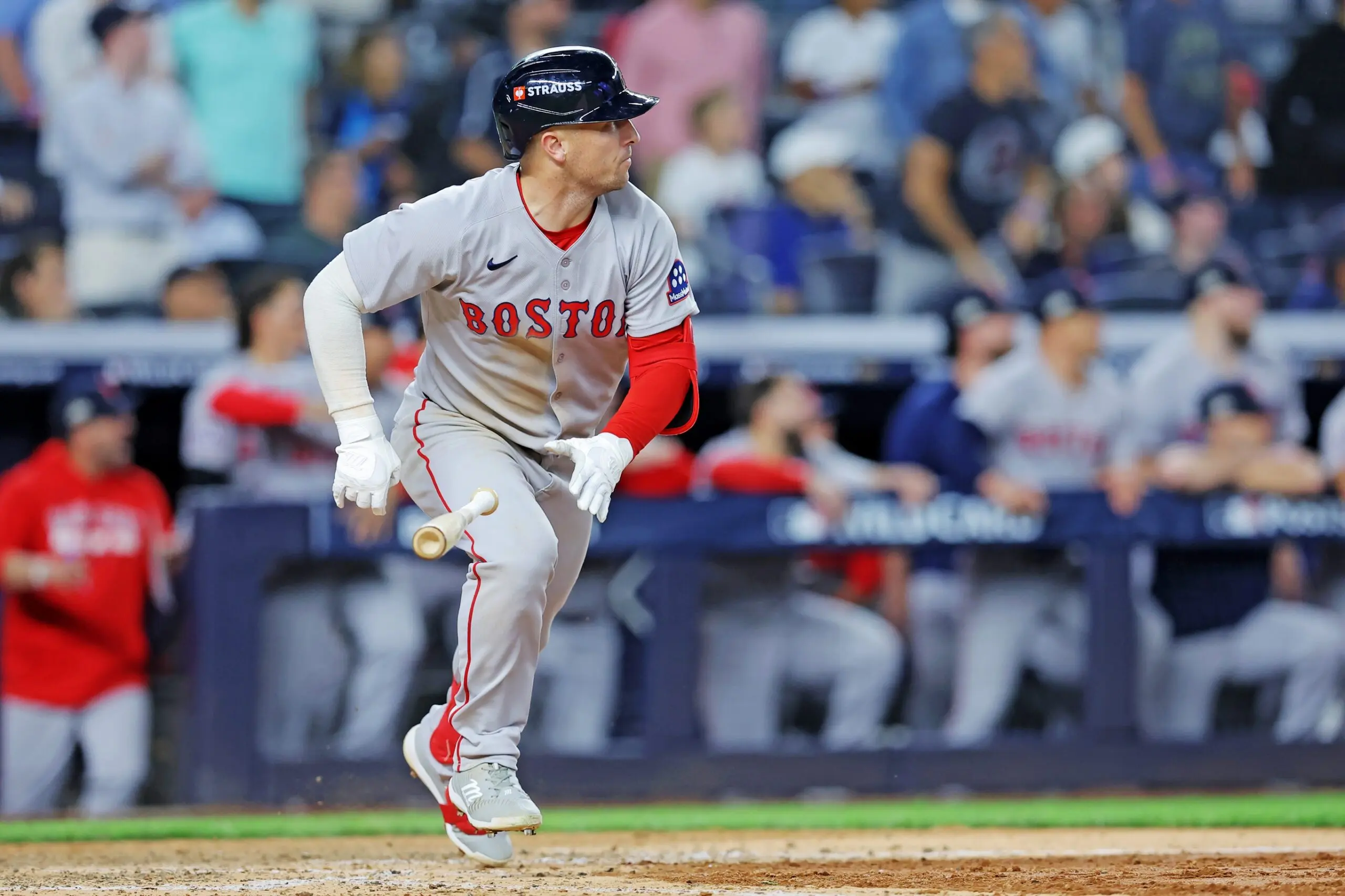
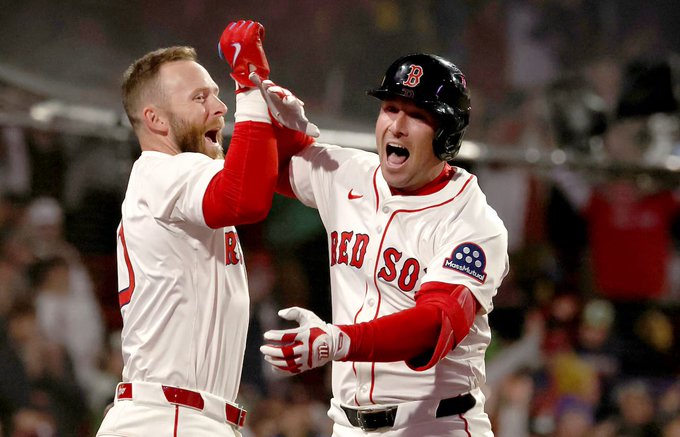
There is no question about Alex Bregman’s defensive abilities. The 31-year-old’s defence stood out with the 2025 Boston Red Sox, which
led the league with 116 errors. Bringing an elite defender is a plus for Toronto, except that infield defence hasn’t been one of the bigger issues for the team this past season.
Ernie Clement and Andrés Giménez each recorded 11.7 and 9.1 tallies on their defensive skills, according to Fangraphs, which is much higher than Bregman’s 4.6.
If the Blue Jays were to sign the New Mexico native, he would slot into the third base. This would naturally put Clement on second base while Giménez plays the shortstop, causing no friction or glut in the infield defensive projection (barring Bichette signing elsewhere).
What Toronto has to decide on is whether to bet on stable infield defence or an impactful bat. Bringing Bichette back would suggest that the Blue Jays have confidence in his hitting, despite his defensive flaws. Should Toronto sign Bregman instead, that would signify the team’s focus on solidifying the defence around the diamond while hoping his bat finds its previous edge.
Bregman is the personification of stability, given his notably consistent defensive production with the Houston Astros and Boston Red Sox. Whether that will be enough for Toronto to bet on is something the front office would have to answer, preferably before spring training.
Questions around Bregman’s offence
Which then leads to another big question: will Bregman’s offence be a game-changer next season?
In 2025, Bregman
slashed .273/.360/.462 with 18 home runs in 495 plate appearances. For comparison, Bo Bichette slashed .311/.357/.483 with 18 home runs in 628 plate appearances. Had Bregman played more games, he could have out-homered Bichette and improved his slashline. However, that doesn’t change the fact that Bichette was a better pure hitter who can be lethal in men-on-base situations.
Compared to these two hitters, Kyle Tucker
recorded a worse slashline of .266/.377/.464 with 22 home runs in 579 plate appearances. Even with an underwhelming record, the right fielder proved his power, proving that he has the potential to blossom into a potent bat while also battling a thumb injury for most of the season.
Bregman is a good hitter with great skills. His squared-up rate is in the 97th percentile, chase rate is in the 95th percentile, and whiff rate is at the 92nd percentile, according to
Baseball Savant. The former All-Star is a patient and effective hitter who knows which pitch to hit, a skill that Bichette lacks due to his extreme aggression (his chase rate is in the
12th percentile).
Even so, that doesn’t change the fact that both Bichette and Tucker have the upper hand in their offensive value. Bregman’s batting run value is only in the 79th percentile when Bichette is in the 86th percentile, and Tucker is in the 90th percentile. Barring any miraculous changes, Bichette and Tucker are more dangerous power hitters than Bregman, given their past home run records. Once upon a time, Bregman hit 41 home runs; that happened in the 2019 season, indicating that returning to this form may be unlikely at this stage of his career.
What the 31-year-old third baseman provides is more consistency at the plate. He may no longer be the go-to power hitter anymore, but his projected slashline stands at .273/.360/.462 for the 2026 season. That’s the type of offensive player who the team can bet to get on base and pressure the opposing team in the right way.
There is a sacrifice that follows betting on a “sure thing.” Signing Bichette and/or Tucker would bring Toronto more power upside, which is what the team would need alongside solid hitters like Vladimir Guerrero Jr., Alejandro Kirk, and George Springer. Consistency should be something the Blue Jays can rely on; taking some risks may be more valuable for a team with an ambition to win the World Series.
Signing Bregman would be taking the next best thing for the Blue Jays when there are more unpredictable but offensively exhilarating options in the market.
Long-term fit
Deciding on the top-end free-agent market isn’t an easy challenge, which is why front offices then weigh in their options by looking towards their future.
“The bottom line is, we need to get better,” said Ross Atkins during his recent interview with SiriusXM. Signing another bat is the best way to enhance the roster, and signing Bregman, Bichette, or Tucker would just do that. The important factor that will dominate this decision would be which of these three hitters would fit the team in the long run.
Bregman is 31 years old, while Bichette is 27 years old and Tucker is 28 years old. Although three batters are only a few years apart, that gap creates more advantages and disadvantages rather quickly. The third baseman will carry fewer upside than Bichette or Tucker, who haven’t reached their career primes yet. Signing a veteran player has its benefits, such as leadership; the obvious risk is a steady or rapid offensive decline. A team that’s willing to sign Bregman would have to embrace both of these factors long-term.
Objectively speaking, Bichette and Tucker would be a better long-term fit with the Blue Jays, with more offensive advantages on paper. Every long-term contract ages poorly towards the end, but betting on either of those hitters would result in more production than choosing Bregman.
There is a world where Bregman has a renaissance like George Springer did with the Blue Jays in 2025. But even Springer’s contributions for 2026 aren’t guaranteed. Who’s to say that Bregman will be more effective than any younger hitters, let alone 2025 George Springer?
In Blue Jays general manager Ross Atkins’
words, ownership has poured a ton of resources into the Toronto Blue Jays. When you take that body of work and put it on the biggest stage of baseball in the world, there is more attention. That turns into momentum.
That momentum is now; now is the time to pull the trigger with gumption. The Blue Jays have the budget and confidence to be audacious. Stopping their audacity at signing Bregman would be a mistake in a winter full of more potential.
PRESENTED BY VIVID SEATS